
Is it safe for dogs to sniff each other? Essential tips for protecting your dog’s health
“Is it safe for dogs to sniff each other?” is a common concern among dog owners.
You have probably heard the phrase: “Oh, let them sniff each other, that’s how they get to know one another!”
Maybe you have allowed your dog to sniff an unfamiliar dog. At first glance, this seems natural and harmless. But is it really?
While dogs communicate through scent, direct contact is not always safe. Invisible risks, such as viruses, bacteria, and parasites, can threaten your dog’s health. That’s why it’s crucial to know when sniffing is acceptable and when it poses a risk.
In this article, we will explain how diseases spread, how to protect your dog, and why monitoring interactions is so important.
How do dog diseases spread?
Even though it may seem that sniffing is harmless, the truth is quite different. Diseases can spread in various ways, even if a dog appears healthy. Here are some of the most common transmission methods:
- Direct contact: Dogs can become infected by sniffing, licking, or touching noses.
- Open wounds: If a dog has a cut or injury, bacteria can enter through the wound.
- Insect bites and animal attacks: Ticks, fleas, and mosquitoes can transmit diseases such as Lyme disease, heartworm, and rabies.
- Drinking infected mother’s milk: Puppies can contract diseases through contaminated milk from their mother.
- Eating contaminated food or drinking unsafe water: Contact with unclean food or water can cause digestive infections.
- Airborne viruses: Some diseases, such as kennel cough and canine influenza, spread through airborne particles.
Given these risks, it is especially important for dog owners to focus on prevention. Puppies, senior dogs, and those with weakened immune systems are the most vulnerable, so extra caution is required.
How to protect your dog?
1. Supervision and common sense
The most important step is supervision. Puppies, in particular, are curious and eager to explore their surroundings. However, not every interaction is safe.
If you don’t know the other dog, you can’t be sure if they are healthy. It’s always safer to prevent direct contact with unknown dogs to avoid potential infections.
Of course, this doesn’t mean isolating your dog. Instead, focus on socializing them with healthy, well-known dogs in controlled environments where the risk of infection is minimal.
For more tips on proper dog socialization, check out our article on puppy socialization (internal link).
2. Limit contact with unknown dogs
While socialization is essential, it should be done responsibly. Here are a few simple guidelines to follow:
- Avoid situations where your dog sniffs an unfamiliar dog’s nose.
- Prevent licking or consuming unknown substances during walks (such as food scraps, stagnant water, or feces).
- Do not allow playtime with dogs showing signs of illness (sneezing, coughing, nasal discharge).
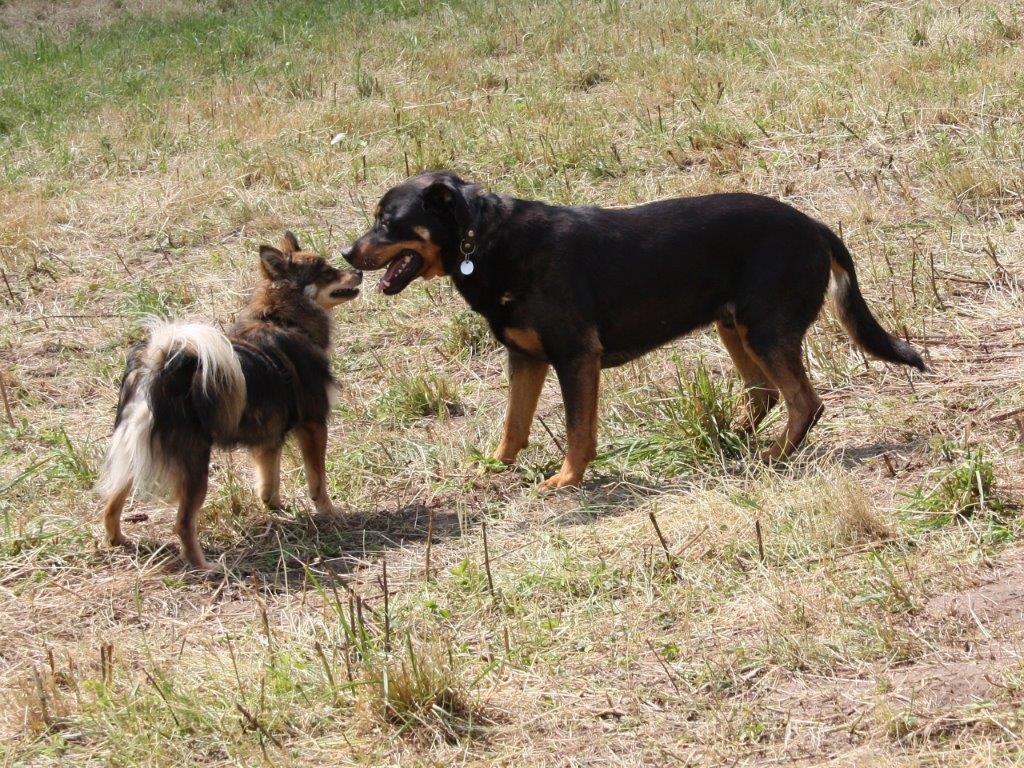
Instead, encourage:
- Play with healthy, vaccinated dogs that you know.
- Short, supervised interactions where you can observe both dogs’ reactions.
- Socialization in safe environments, such as puppy training classes or monitored dog parks.
By following these steps, your dog can develop good social skills while reducing the risk of infections.
Hygiene and prevention are essential
To keep your dog healthy, proactive care and hygiene practices are key. Proper maintenance significantly reduces the risk of infections.
- Regular vaccinations: Ensure your dog is vaccinated against common contagious diseases.
- Parasite protection: Use flea, tick, and heartworm preventatives regularly.
- Safe nutrition: Always provide fresh water and high-quality food. Avoid feeding from the ground.
- Clean equipment: Regularly wash your dog’s bowls, toys, and bedding, as they can harbor bacteria.
By following these simple steps, you can greatly minimize health risks for your dog.
Why monitoring interactions is important for dog behavior
In addition to health concerns, monitoring your dog’s interactions plays a crucial role in shaping their behavior.
- Puppies learn from experiences. A negative encounter with another dog can lead to fear or aggression.
- Improper socialization can cause behavioral issues. Unsupervised interactions may result in unpredictable behavior.
- Consistency and supervision create a sense of security. A dog that trusts its owner to guide and protect them will be more confident and relaxed.
Every experience influences your dog. With the right guidance and supervision, you can ensure they grow into a well-balanced, confident companion.
Conclusion: be a responsible dog owner and use common sense!
Socialization is essential in a dog’s development, but it must be safe and controlled. Protect your dog from unnecessary risks and provide them with a healthy environment to thrive.
- Supervise interactions and limit contact with unknown dogs.
- Maintain good hygiene and preventative care to reduce infection risks.
- Common sense and responsible handling are the keys to a happy, healthy, and safe dog.
With the right approach, your dog will enjoy a long, healthy, and joyful life!
