Mar 10, 2025 | Health & Care
Is it safe for dogs to sniff each other? Essential tips for protecting your dog’s health
“Is it safe for dogs to sniff each other?” is a common concern among dog owners.
You have probably heard the phrase: “Oh, let them sniff each other, that’s how they get to know one another!”
Maybe you have allowed your dog to sniff an unfamiliar dog. At first glance, this seems natural and harmless. But is it really?
While dogs communicate through scent, direct contact is not always safe. Invisible risks, such as viruses, bacteria, and parasites, can threaten your dog’s health. That’s why it’s crucial to know when sniffing is acceptable and when it poses a risk.
In this article, we will explain how diseases spread, how to protect your dog, and why monitoring interactions is so important.
How do dog diseases spread?
Even though it may seem that sniffing is harmless, the truth is quite different. Diseases can spread in various ways, even if a dog appears healthy. Here are some of the most common transmission methods:
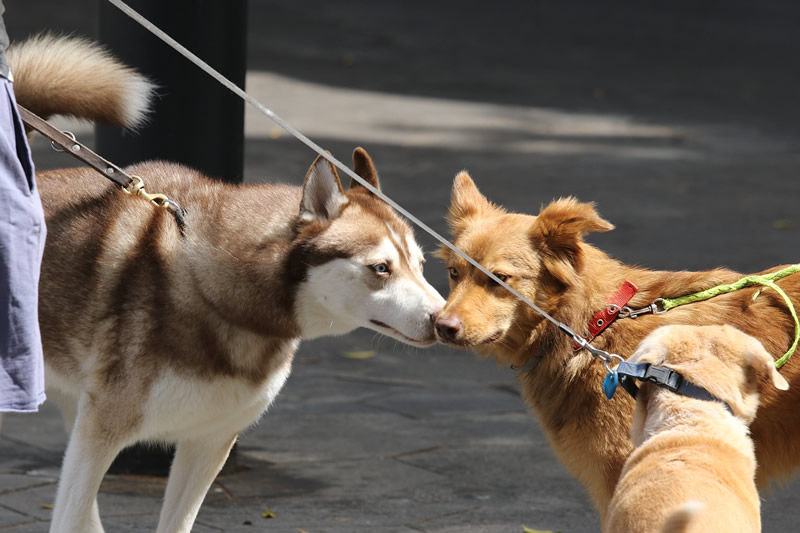
- Direct contact: Dogs can become infected by sniffing, licking, or touching noses.
- Open wounds: If a dog has a cut or injury, bacteria can enter through the wound.
- Insect bites and animal attacks: Ticks, fleas, and mosquitoes can transmit diseases such as Lyme disease, heartworm, and rabies.
- Drinking infected mother’s milk: Puppies can contract diseases through contaminated milk from their mother.
- Eating contaminated food or drinking unsafe water: Contact with unclean food or water can cause digestive infections.
- Airborne viruses: Some diseases, such as kennel cough and canine influenza, spread through airborne particles.
Given these risks, it is especially important for dog owners to focus on prevention. Puppies, senior dogs, and those with weakened immune systems are the most vulnerable, so extra caution is required.
How to protect your dog?
1. Supervision and common sense
The most important step is supervision. Puppies, in particular, are curious and eager to explore their surroundings. However, not every interaction is safe.
If you don’t know the other dog, you can’t be sure if they are healthy. It’s always safer to prevent direct contact with unknown dogs to avoid potential infections.
Of course, this doesn’t mean isolating your dog. Instead, focus on socializing them with healthy, well-known dogs in controlled environments where the risk of infection is minimal.
For more tips on proper dog socialization, check out our article on puppy socialization (internal link).
2. Limit contact with unknown dogs
While socialization is essential, it should be done responsibly. Here are a few simple guidelines to follow:
- Avoid situations where your dog sniffs an unfamiliar dog’s nose.
- Prevent licking or consuming unknown substances during walks (such as food scraps, stagnant water, or feces).
- Do not allow playtime with dogs showing signs of illness (sneezing, coughing, nasal discharge).
Instead, encourage:
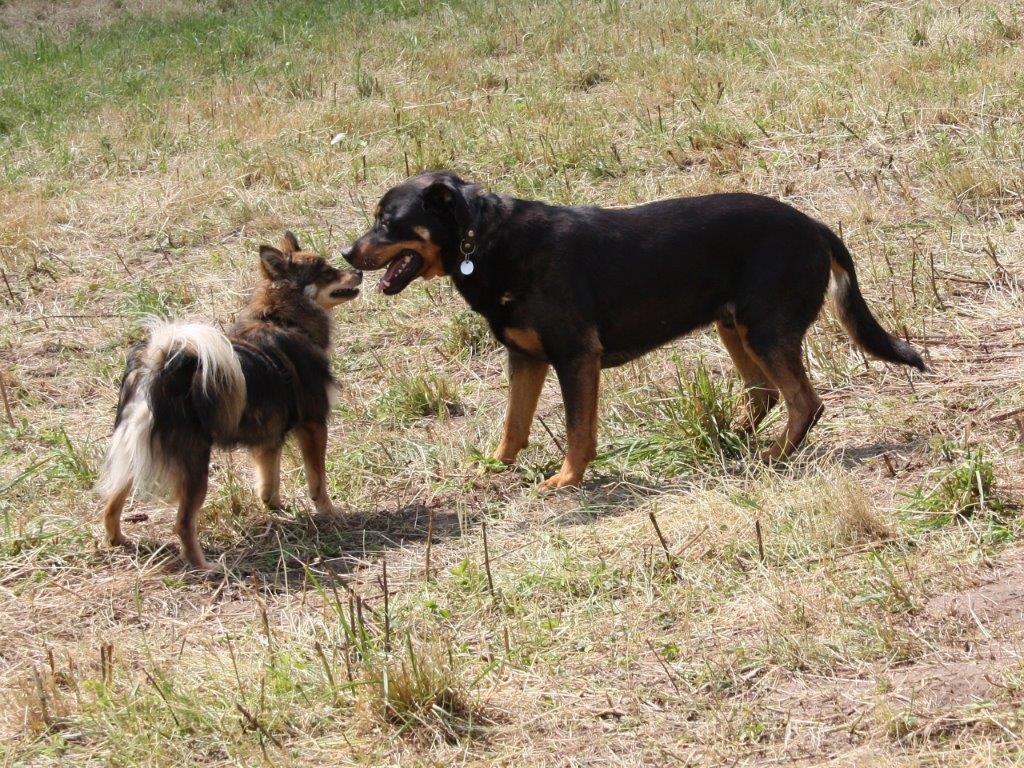
- Play with healthy, vaccinated dogs that you know.
- Short, supervised interactions where you can observe both dogs’ reactions.
- Socialization in safe environments, such as puppy training classes or monitored dog parks.
By following these steps, your dog can develop good social skills while reducing the risk of infections.
Hygiene and prevention are essential
To keep your dog healthy, proactive care and hygiene practices are key. Proper maintenance significantly reduces the risk of infections.
- Regular vaccinations: Ensure your dog is vaccinated against common contagious diseases.
- Parasite protection: Use flea, tick, and heartworm preventatives regularly.
- Safe nutrition: Always provide fresh water and high-quality food. Avoid feeding from the ground.
- Clean equipment: Regularly wash your dog’s bowls, toys, and bedding, as they can harbor bacteria.
By following these simple steps, you can greatly minimize health risks for your dog.
Why monitoring interactions is important for dog behavior
In addition to health concerns, monitoring your dog’s interactions plays a crucial role in shaping their behavior.
- Puppies learn from experiences. A negative encounter with another dog can lead to fear or aggression.
- Improper socialization can cause behavioral issues. Unsupervised interactions may result in unpredictable behavior.
- Consistency and supervision create a sense of security. A dog that trusts its owner to guide and protect them will be more confident and relaxed.
Every experience influences your dog. With the right guidance and supervision, you can ensure they grow into a well-balanced, confident companion.
Conclusion: be a responsible dog owner and use common sense!
Socialization is essential in a dog’s development, but it must be safe and controlled. Protect your dog from unnecessary risks and provide them with a healthy environment to thrive.
- Supervise interactions and limit contact with unknown dogs.
- Maintain good hygiene and preventative care to reduce infection risks.
- Common sense and responsible handling are the keys to a happy, healthy, and safe dog.
With the right approach, your dog will enjoy a long, healthy, and joyful life!

Feb 23, 2025 | Training
A dog’s daily routine: The key to a happy and balanced life!
A dog’s daily routine is more than just a schedule for feeding and walks. It is a fundamental pillar of their well-being, stability, and successful training. Dogs thrive on routine—predictability and consistency provide them with a sense of security. This stability boosts their confidence, improves their behavior, and strengthens the bond between them and their owner.
In this article, we will explain why a structured routine is essential and how it positively impacts your dog’s behavior, well-being, and training success.
How to establish a healthy daily routine?
1. Regular physical activity
Daily exercise is crucial for a dog’s physical and mental health. The intensity and duration should be adapted to your dog’s breed, age, and energy level. Walks, interactive play, and structured activities help prevent boredom and destructive behavior. Most importantly, you should actively engage with your dog during walks instead of passively taking them out.
2. Balanced and regular meals
Dogs feel more secure when they have a predictable feeding schedule. Regular mealtimes help regulate digestion, maintain a healthy weight, and reduce anxiety related to food. Having a consistent routine also teaches your dog to be calm before and after meals, creating a more structured daily rhythm.
3. Scheduled potty breaks
Predictable potty breaks are essential, especially after eating, playing, and sleeping. Regular outdoor trips help reinforce good habits, reduce accidents in the home, and contribute to a more relaxed and well-adjusted dog.
How a routine contributes to a happy dog
1. Mental stimulation
A dog’s mind needs exercise just as much as their body. Activities like puzzle toys, trick training, and obedience exercises keep your dog mentally engaged and prevent unwanted behaviors caused by boredom. Ideally, these activities should be included in the daily routine at consistent times.
2. Rest and relaxation
Every dog needs a peaceful, designated space to rest. Identify the times of day when your dog naturally relaxes and ensure they have a quiet, comfortable place where they won’t be disturbed. A well-structured routine includes rest periods, helping your dog feel safe and calm throughout the day.
3. Socialization and interaction
Regular, positive exposure to people, other dogs, and various environments helps build confidence and prevents behavioral issues such as fear or aggression. However, it’s important to ensure that social interactions are well-managed and appropriate for your dog’s temperament.
The role of routine in dog training
1. Consistent training sessions
Short, structured training sessions using positive reinforcement (praise, treats, and play) are the most effective way to teach desired behaviors. Training should be scheduled at the same time each day so that it becomes a natural part of your dog’s routine.
2. Using consistent commands
Always use the same words for specific commands. Consistency in communication helps your dog learn faster and respond more reliably. Changing the phrasing of commands can confuse your dog and slow down the learning process.
Conclusion
Establishing a daily routine is one of the most important steps in raising a well-balanced, confident, and happy dog. A structured and predictable day gives your dog a sense of security, which directly impacts their behavior and emotional state.
Routine does not mean rigid scheduling but rather a well-thought-out balance of activities, rest, and training that is tailored to your dog’s individual needs. By maintaining consistency in their day-to-day life, you create an environment where your dog can thrive, leading to a happier and more fulfilling companionship.

Feb 22, 2025 | General About Dogs
How to choose the right dog?
Choosing the right dog is a big decision. A dog will be your loyal companion for years, so it’s essential to choose wisely. How to choose the right dog? While breed plays a role, it’s not the only factor. Even dogs of the same breed can vary in temperament due to upbringing and environment. However, some general guidelines can help you make an informed decision.
Beyond breed, you should consider your lifestyle, the dog’s size, energy level, intelligence, and health predispositions. This guide will help you select the best dog for you.
1. Dog Size – How to choose the right size?
A dog’s size affects many factors, including the space required, food intake, and general care. Before deciding, consider the following:
-
Small dogs (up to 10 kg / 22 lbs) – Chihuahua, Dachshund, Pomeranian
- Suitable for small apartments
- Easier to transport (car, airplane)
- Often have a longer lifespan than larger breeds
- Can be more sensitive to cold
-
Medium-sized dogs (10–25 kg / 22–55 lbs) – Cocker Spaniel, Border Collie, Beagle
- A good balance between size and activity level
- Suitable for families with children
- Require a moderate amount of exercise
-
Large dogs (25–45 kg / 55–100 lbs) – Golden Retriever, Labrador, German Shepherd
- Need more space and exercise
- Require more food and grooming
- Can be excellent guard or working dogs
-
Very large dogs (45+ kg / 100+ lbs) – Great Dane, Saint Bernard, Tibetan Mastiff
- Often need a house with a yard
- Higher risk of joint and heart problems
- Shorter lifespan (often 6–10 years)
➡️ Tip: If you live in an apartment, choose a smaller or medium-sized dog that doesn’t require excessive space or exercise.
2. Dog’s Energy Level – How much exercise do they need?
Different breeds have different activity levels. It’s important to choose a dog that matches your lifestyle.
-
High-energy dogs (e.g., Border Collie, Husky, Belgian Malinois)
- Need at least 2–3 hours of exercise per day
- Require mental stimulation (training, games, agility)
- Suitable for active owners who enjoy outdoor activities
-
Moderately active dogs (e.g., Labrador Retriever, Golden Retriever, Cocker Spaniel)
- Satisfied with 1–2 hours of exercise per day
- Suitable for families or individuals with a moderately active lifestyle
-
Low-energy dogs (e.g., Pug, French Bulldog, Basset Hound)
- Short daily walks are sufficient
- Prefer spending more time indoors
- Ideal for older people or those with a less active lifestyle
➡️ Tip: If you love running or cycling, choose a high-energy breed. If you prefer relaxing walks, a low-energy breed may be a better fit.
3. How much grooming does a dog require?
Different breeds have different grooming needs, including brushing, bathing, trimming, and ear cleaning.
-
Short-haired dogs (e.g., Doberman, Boston Terrier, Beagle)
- Require minimal grooming but may shed
- Ideal for people who don’t have time for frequent brushing
-
Long-haired dogs (e.g., Shetland Sheepdog, Bernese Mountain Dog)
- Require regular brushing (at least 2–3 times per week)
- More prone to tangling and matting
-
Dogs that don’t shed (e.g., Poodle, Bichon Frise, Portuguese Water Dog)
- Suitable for allergy sufferers
- Require regular professional grooming
➡️ Tip: If you don’t have time for frequent grooming, choose a short-haired breed or a breed that doesn’t shed.
4. Temperament and Behavior of dogs
Each dog is an individual, but breed often influences temperament.
- Family-friendly breeds (e.g., Golden Retriever, Labrador) – Affectionate, patient
- Guard dogs (e.g., Rottweiler, Doberman) – Protective, require consistent training
- Independent breeds (e.g., Akita, Basenji) – Less obedient but loyal to their owner
- Social breeds (e.g., Cavalier King Charles Spaniel, Cocker Spaniel) – Love being around people
➡️ Tip: If you have children, choose a breed known for its friendliness and patience.
5. Intelligence and Trainability of dogs
Some breeds learn quickly and are more eager to cooperate with their owners. If you’re a first-time dog owner, choose a breed that is naturally trainable and eager to please.
- Highly intelligent breeds – Border Collie, Poodle, German Shepherd
- Moderately intelligent breeds – Labrador Retriever, Golden Retriever, Cocker Spaniel
- Less trainable breeds – Basenji, Afghan Hound, Bulldog
➡️ Tip: If you want a dog that learns quickly, choose a highly intelligent breed, but be prepared for more mental stimulation.
6. Dog Health – What to consider when choosing a breed?
Some breeds are more prone to certain health conditions. Before selecting a dog, research their genetic predispositions and average lifespan.
- Long-living breeds (12+ years) – Chihuahua, Poodle, Spitz
- Shorter-living breeds (6–10 years) – Saint Bernard, Great Dane
- Breeds with more genetic issues – English Bulldog (breathing issues), German Shepherd (hip problems)
➡️ Tip: If you want a healthy dog, choose a breed with fewer hereditary diseases or consider adopting a mixed-breed dog, which often has fewer genetic health concerns.
Conclusion: How to choose the right dog?
When choosing a dog, it’s essential to consider multiple factors beyond breed. Think about your lifestyle, space availability, and the time you can dedicate to training and care. Whether you choose a purebred dog or a mixed breed, the best choice is the one that aligns with your way of life.
📌 Don’t forget: Mixed-breed dogs are also a great option—they often have fewer genetic issues and unique personalities!